The braking system is arguably the most critical safety feature in any vehicle, yet its importance is often underestimated until a problem arises. It's not just about stopping; it's about stopping safely, efficiently, and predictably. Every time you press the brake pedal, a complex interplay of components works in harmony to convert kinetic energy into thermal energy, bringing your vehicle to a halt. Neglecting this vital system can have severe consequences, ranging from compromised stopping distances to complete brake failure, putting you and others at significant risk on the road.
Like any mechanical system subjected to constant friction and stress, brakes are designed to wear out over time. This wear is an unavoidable part of their function, but the rate at which it occurs can vary dramatically based on numerous factors. Driving habits, road conditions, vehicle type, and even the quality of the brake components all play a crucial role in determining how long your brakes will effectively perform. Understanding these variables is the first step toward proactive `auto maintenance` and ensuring your vehicle remains safe.
Many drivers tend to wait until they hear a troubling squeal or feel a noticeable change in braking performance before considering an inspection. This reactive approach can often lead to more extensive and costly repairs down the line, as worn-out pads can damage rotors, and neglected fluid can compromise the entire hydraulic system. A proactive stance, involving regular checks and timely interventions, is far more economical and, more importantly, safer. It's about recognizing the subtle signs before they escalate into major issues, saving you both money and potential hazards.
At BALTA Auto Repair Center, LLC., we understand the intricacies of modern braking systems and the importance of their optimal function. Our goal is to empower vehicle owners with the knowledge to make informed decisions about their vehicle's health. We believe that understanding when to simply inspect your brakes and when a full `brake replacement` is necessary is fundamental to safe driving. Our experienced technicians are equipped to provide thorough diagnostics and expert service, ensuring your peace of mind on every journey.
Delaying brake service not only jeopardizes your safety but can also lead to premature wear on other vehicle components, such as tires and suspension parts, due to uneven stopping forces. Investing in regular brake check-ups at a trusted `car repair shop` is an investment in your safety and the longevity of your vehicle. It helps prevent a cascade of issues that can arise from a compromised braking system, ensuring that your car operates at its peak performance and safety standards.
-
🚗 Understanding Brake Wear: The Basics
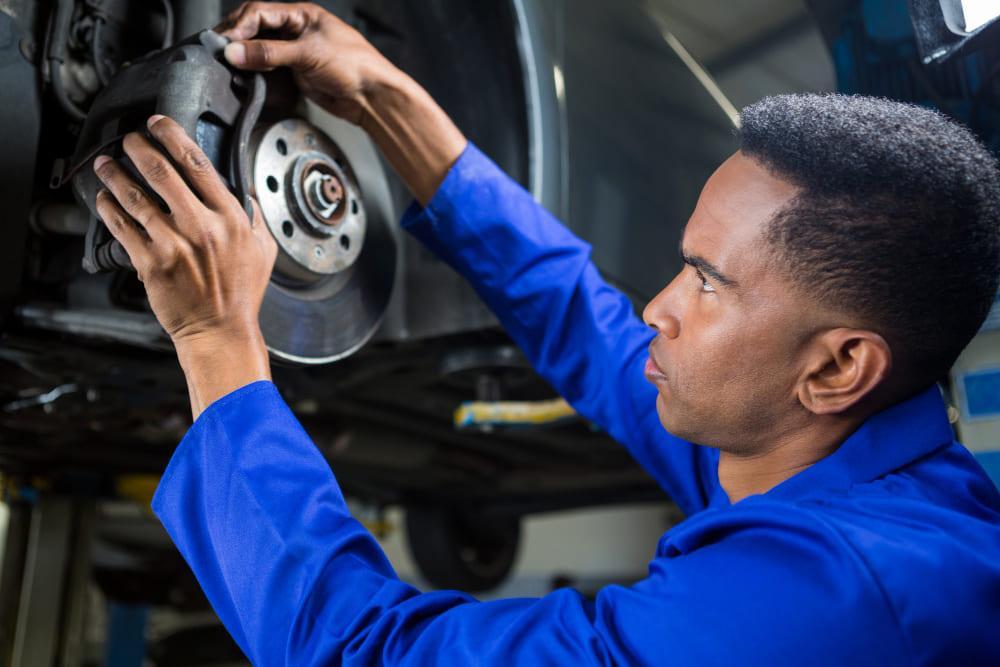
The core of your braking system involves several key components: brake pads, rotors (discs), calipers, and brake fluid lines. When you press the pedal, fluid pressure forces the calipers to squeeze the brake pads against the rotors, creating friction that slows the wheels. This friction is what causes the pads and rotors to gradually wear down. Brake pads, typically made of a composite material, are designed to be the sacrificial component, wearing down much faster than the metal rotors. Their lifespan can range significantly, often between 30,000 to 70,000 miles, depending heavily on driving conditions and individual habits.
Rotors, the metal discs that pads clamp onto, also experience wear, albeit at a slower rate. They can warp, crack, or become too thin over time, especially if subjected to extreme heat or prolonged use with worn pads. A typical rotor lifespan might be between 50,000 to 70,000 miles, but this is highly variable. Aggressive driving, frequent heavy braking, and driving in hilly or mountainous terrain will accelerate wear on both pads and rotors. Conversely, gentle highway driving will extend their life. Understanding these basic wear patterns helps in anticipating maintenance needs.
The quality of brake components also plays a significant role. Higher-quality pads and rotors might offer better performance and longer life, but even the best parts will eventually wear out. Regular inspections allow technicians to assess the remaining thickness of pads and the condition of rotors, providing an accurate estimate of their remaining service life. This proactive approach is crucial for maintaining optimal stopping power and preventing unexpected brake issues.
-
🔍 Signs You Need a Brake Inspection
Your vehicle often communicates brake problems through various sensory cues. One of the most common audible signs is a high-pitched squealing sound when braking. This is typically caused by a small metal wear indicator built into the brake pads, designed to alert you when the pads are nearing their minimum safe thickness. Ignoring this sound can lead to more severe issues. If you hear a grinding noise, it's a critical warning sign that your pads have completely worn down, and the metal backing plates are now rubbing directly against the rotors. This metal-on-metal contact not only severely compromises braking ability but also causes rapid and extensive damage to the rotors, making `brake replacement` of both components inevitable and more costly.
Beyond sounds, tactile feedback can also indicate brake issues. A vibrating or pulsating sensation through the brake pedal or steering wheel when braking often points to warped rotors. If your vehicle pulls to one side during braking, it could indicate uneven wear, a stuck caliper, or a problem with the brake fluid lines. A spongy or soft brake pedal, where the pedal goes further to the floor than usual, can signal air in the brake lines, low brake fluid, or a master cylinder issue. Any of these symptoms warrant immediate professional inspection to diagnose the root cause and ensure your safety.
-
🛠️ When to Consider Brake Replacement
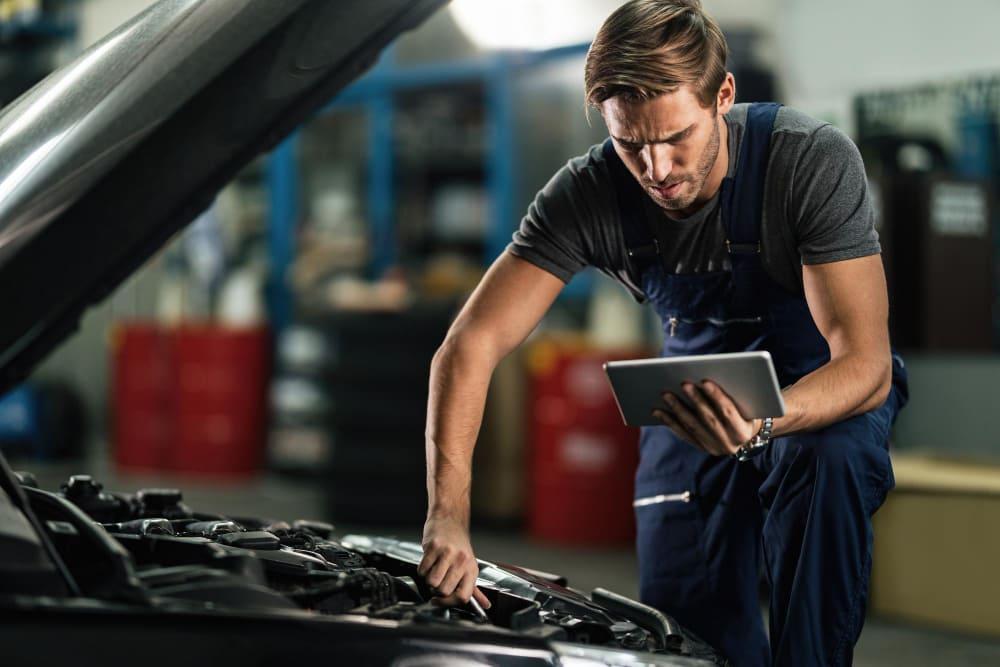
Determining the exact moment for brake replacement isn't always straightforward, as it depends on the severity of wear and the specific components involved. Generally, brake pads should be replaced when their friction material is worn down to approximately 3-4 millimeters (about 1/8 inch) or less. Many manufacturers specify a minimum thickness, and exceeding this limit significantly reduces braking efficiency and safety. During routine `vehicle diagnostics` or `auto maintenance`, technicians will measure pad thickness to advise on timely replacement. Waiting too long can lead to irreversible damage to rotors and other brake components.
Rotors may need replacement if they are warped, cracked, or have reached their minimum safe thickness, which is typically stamped on the rotor itself. While some rotors can be resurfaced to remove minor imperfections and restore a smooth braking surface, this can only be done if the rotor's thickness remains above the manufacturer's minimum specification. If rotors are severely worn or damaged, resurfacing is not an option, and full `brake replacement` is necessary. It's crucial to address these issues promptly to maintain optimal braking performance and prevent more extensive and expensive repairs down the line.
Proactive brake maintenance is not merely a recommendation; it is a fundamental aspect of responsible vehicle ownership and road safety. Regular inspections by qualified professionals can identify potential issues early, preventing minor problems from escalating into dangerous and costly failures. Pay attention to your vehicle's signals, as they are often the first indicators that your braking system requires attention.
Never underestimate the importance of a properly functioning braking system. Delaying service can compromise your ability to react safely in critical situations, increasing the risk of accidents. Timely `auto maintenance` of your brakes ensures optimal stopping power, enhances overall vehicle control, and contributes significantly to your peace of mind while driving.
For expert advice, thorough inspections, and reliable `brake replacement` services, trust the professionals at BALTA Auto Repair Center, LLC. Our team is committed to ensuring your vehicle's safety and performance with comprehensive `vehicle diagnostics` and high-quality repairs. Don't wait for a problem to become an emergency; schedule your brake inspection today and drive with confidence.